
MNDF at the Crossroads: Modernization or Meltdown?
For many Maldivians, the Maldives National Defence Force (MNDF) has long been regarded as one of the country's most respected institutions, BUT...
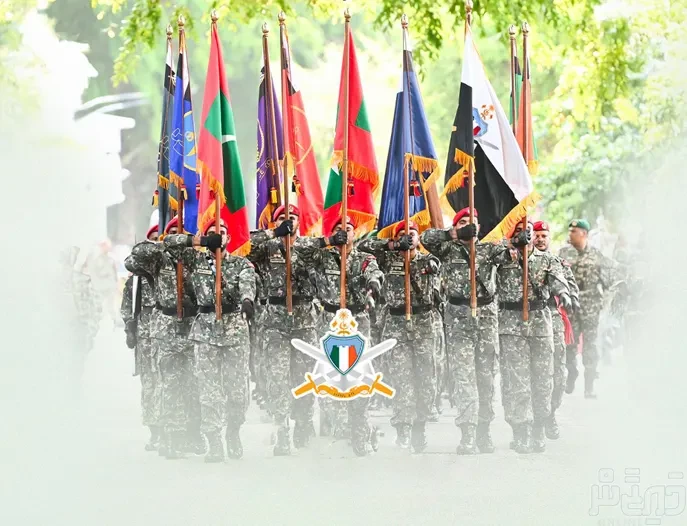
For many Maldivians, the Maldives National Defence Force (MNDF) has long been regarded as one of the country's most respected institutions.
Built on discipline, professionalism, and dedication to national service, the force has played a critical role in safeguarding the nation's sovereignty and security. However, a growing debate among observers and former members raises an important question: Is the MNDF becoming stronger, or is it gradually weakening?
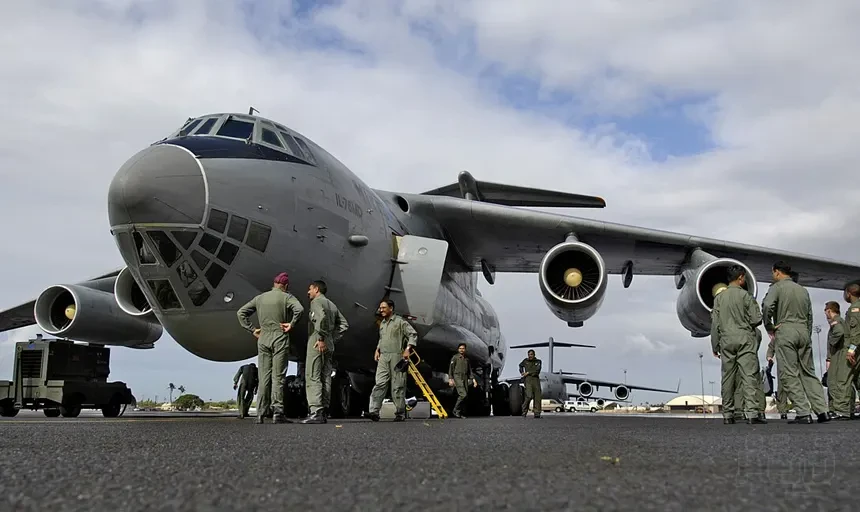
One of the concerns frequently expressed is the perceived decline in leadership effectiveness when compared to previous generations of military leaders. Critics argue that earlier leaders demonstrated stronger vision, decisiveness, and the ability to guide the institution through challenges, whereas current leadership is viewed by some as less capable of maintaining the same standards.
Training standards have also become a topic of discussion. Some believe that the intensity, frequency, and overall quality of training are not at the level they once were, potentially affecting operational readiness and professional development within the force.

Infrastructure and equipment are another area of concern. Critics suggest that investment in facilities, assets, and military capabilities has not kept pace with the growing demands placed upon the organization. As a result, some argue that the force's overall capacity may be weaker than in previous years.
The issue of manpower is also frequently raised. Observers note that the force appears to be aging, with concerns about whether sufficient efforts are being made to attract, develop, and retain younger personnel capable of meeting future challenges.
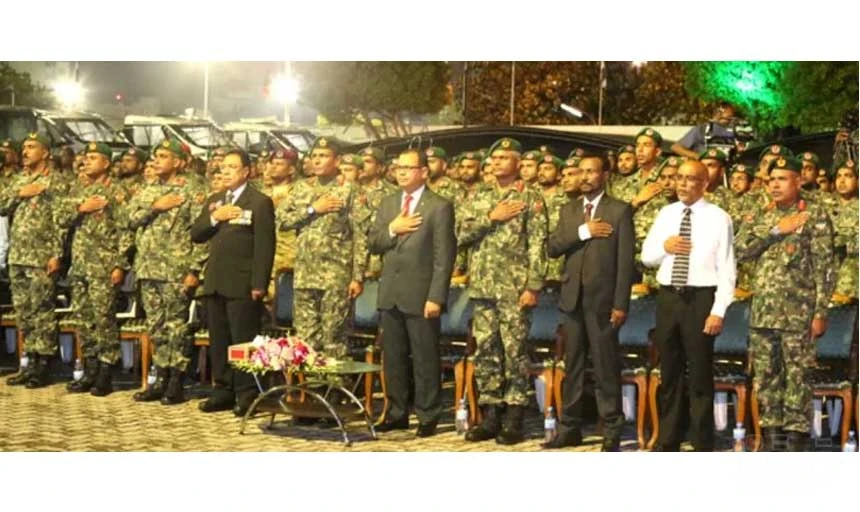
Among the strongest criticisms is the view that the current senior leadership, including the Chief of Defence Force (CDF) and Vice Chief of Defence Force (VCDF), has not demonstrated the same level of effectiveness as some of their predecessors. Those holding this view argue that the institution requires stronger strategic leadership to address emerging challenges and restore confidence throughout the ranks.
Some critics further argue that the organization has become increasingly focused on satisfying the priorities of political leaders rather than concentrating on its primary constitutional responsibilities. They believe that military leadership should provide independent professional advice and ensure that national interests remain at the center of decision-making.

Morale among soldiers is another issue highlighted by observers. According to these concerns, uncertainty in decision-making and the perception of weak leadership can negatively affect motivation, confidence, and trust within the ranks.
Questions have also been raised regarding external influences within the organization. Some believe that factors beyond the traditional military chain of command may be affecting the institution and its personnel, potentially contributing to dissatisfaction among members of the force.
Perhaps the most significant concern expressed by critics is the growing influence of politics within the military system. They argue that weak leadership may result in an environment where decisions are accepted without sufficient professional challenge or discussion. According to this perspective, military leaders should possess the courage to provide honest assessments and professional advice, even when such advice may be unpopular.
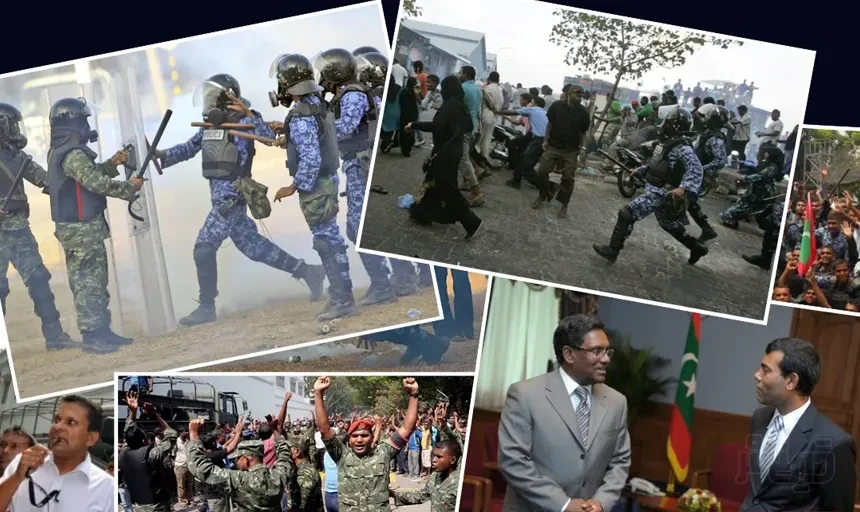
Whether these concerns are fully justified or not, they reflect a growing perception among some observers that the MNDF is facing significant institutional challenges. If such issues are not addressed, critics warn that the force could continue to weaken in effectiveness, public confidence, and operational capability.

The MNDF has historically been one of the nation's strongest and most trusted institutions. The question now is whether capable officers and senior leaders will take the necessary steps to strengthen the organization, restore confidence, and ensure that it remains a professional and respected force for future generations.
The future of the institution may depend on how seriously these concerns are examined and how effectively reforms are implemented in the years ahead.