

Belief in God Does Not Require Belief in the Devil: An Islamic Perspective on Faith, Reality, and Agency
It is wrong to say or even think "If you believe in God, believe in Satan"
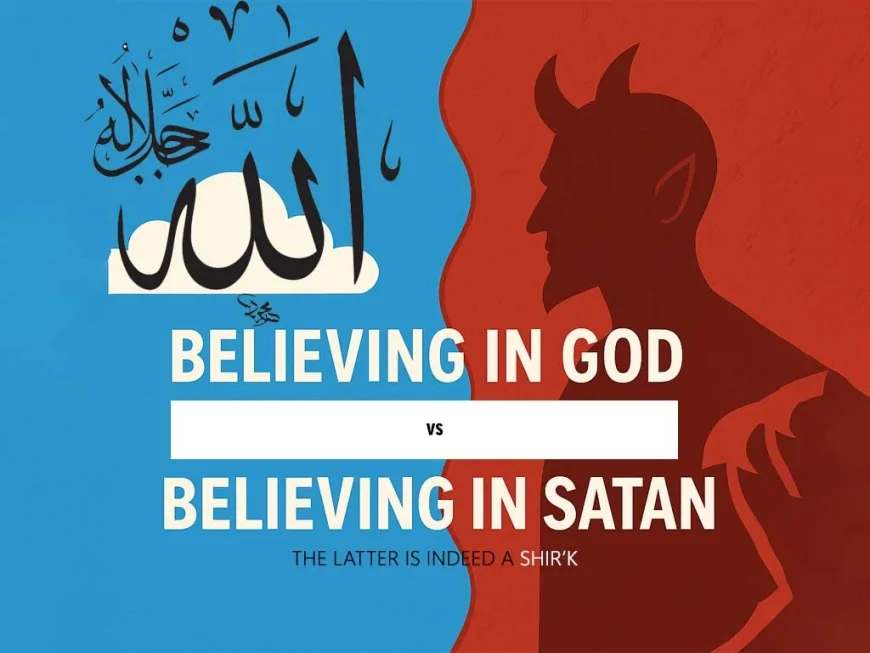
The statement “If you believe in God, you must believe in the Devil” is often repeated in theological discussions, usually with the assumption that acknowledging God automatically requires acknowledging His opposite.
But this framing is fundamentally flawed—especially from an Islamic perspective. It confuses two very different concepts: believing something exists and believing in something.
Islam makes this distinction clear. While the Qur’an affirms the existence of Shayṭān (Satan), it never commands believers to “believe in” him. Instead, it warns against giving him authority, legitimacy, or devotion. The only being a Muslim is commanded to believe in is Allah, His angels, His books, His messengers, the Last Day, and divine decree.
Understanding this distinction is essential for a coherent theology.
1. Believing Something Exists vs. Believing In Something
Believing something exists
This is an acknowledgment of reality. For example:
• You may believe that fire exists.
• You may believe that poison exists.
• You may believe that criminals exist.
But this does not mean you believe in fire, poison, or criminals in a devotional or trusting sense.
Believing in something
This implies:
• trust
• reverence
• moral alignment
• spiritual commitment
In Islam, “belief in” (īmān) is an act of worship. It is reserved for Allah and what He commands.
Thus:
- A Muslim believes that Shayṭān exists (as a creation of Allah).
- A Muslim does not believe in Shayṭān, nor is he required to.
This distinction is the foundation for understanding why the original statement is theologically incorrect.
2. What the Qur’an Actually Says About Satan
The Qur’an repeatedly affirms that Satan exists and is an enemy—but never as an object of belief or devotion.
Satan is an enemy, not an article of faith
إِنَّ ٱلشَّيْطَـٰنَ لَكُمْ عَدُوٌّۭ فَٱتَّخِذُوهُ عَدُوًّا ۚ إِنَّمَا يَدْعُوا۟ حِزْبَهُۥ لِيَكُونُوا۟ مِنْ أَصْحَـٰبِ ٱلسَّعِيرِ ٦
“Indeed, Satan is your enemy, so treat him as an enemy.”
(Qur’an 35:6)
This verse—found in the search results—makes the relationship clear:
recognition, not reverence.
Satan invites to destruction
إِنَّ ٱلشَّيْطَـٰنَ لَكُمْ عَدُوٌّۭ فَٱتَّخِذُوهُ عَدُوًّا ۚ إِنَّمَا يَدْعُوا۟ حِزْبَهُۥ لِيَكُونُوا۟ مِنْ أَصْحَـٰبِ ٱلسَّعِيرِ ٦
“He only invites his followers to the blazing Fire.”
(Qur’an 35:6)
The Qur’an does not elevate Satan to a cosmic equal of God. He is merely a deceiver, a tempter, a creature.
Satan is not a rival god
وَمَا هُوَ بِقَوْلِ شَيْطَـٰنٍۢ رَّجِيمٍۢ ٢٥
“And the Qur’an is not the word of a devil expelled.”
(Qur’an 81:25)
This verse rejects the idea that Satan has divine qualities or creative power.
Satan has no authority over believers
إِنَّ عِبَادِى لَيْسَ لَكَ عَلَيْهِمْ سُلْطَـٰنٌ إِلَّا مَنِ ٱتَّبَعَكَ مِنَ ٱلْغَاوِينَ ٤٢
“My servants—you have no authority over them.”
(Qur’an 15:42)
This reinforces that Satan is not a counterpart to God. He is powerless except over those who willingly follow him.
3. The Hadith Perspective: Satan Exists, But He Is Not a Figure of Faith
Prophet Muhammad (ﷺ) frequently warned about Satan’s whispers, but never framed belief in Satan as part of faith.
Hadith: Satan runs through the human being like blood
The Prophet said:
“Satan flows through the son of Adam like blood.”
(Sahih al-Bukhari & Muslim)
This is a warning about vigilance—not an instruction to “believe in” Satan.
Hadith: Satan flees from the call to prayer
“When the call to prayer is made, Satan flees…”
(Sahih Muslim)
This demonstrates Satan’s weakness, not his divinity or worthiness of belief.
4. Why the Statement Is Theologically Wrong in Islam
1. It implies dualism
The statement suggests:
- God on one side
- Devil on the other
- both requiring belief
Islam rejects this dualistic worldview. There is no cosmic battle between two equal forces. Allah is the sole Creator; Satan is a creation.
2. It elevates Satan to a position he does not have
Believing in the Devil implies:
- trust
- reverence
- spiritual acknowledgment
Islam forbids this.
3. It confuses recognition with devotion
Islam commands believers to:
• recognize Satan’s existence
• avoid his influence
• seek refuge in Allah
But never to “believe in” him.
5. How Other Faith Traditions View This Distinction
Christianity: Christians acknowledge Satan’s existence but do not “believe in” him as an object of faith. The Nicene Creed includes belief in God, Jesus, and the Holy Spirit—not Satan.
Judaism: Jewish theology recognizes the yetzer hara (evil inclination) and the satan figure, but belief in God does not require belief in Satan.
Hinduism & Buddhism: These traditions acknowledge destructive forces or tempters (e.g., Māra in Buddhism), but they are not objects of belief or devotion.
Across religions, the pattern is consistent: acknowledgment does not equal belief in.
6. The Islamic Creed (ʿAqīdah) Makes the Distinction Explicit
The six pillars of faith (īmān) are:
- Belief in Allah
- Belief in His angels
- Belief in His books
- Belief in His messengers
- Belief in the Last Day
- Belief in divine decree
Satan is not included.
A Muslim may acknowledge Satan’s existence, but he is not part of the creed.
7. Conclusion: Belief in God Does Not Require Belief In the Devil
The makers of a recently released Maldivian motion picture titled "PAREE", knowingly or unknowingly included the phrase "If you believe in God"..."You must believe in the Devil" in its trailer. { https://www.instagram.com/reel/DR4X4NhEyE9/ }
The statement “If you believe in God, you must believe in the Devil” collapses two different concepts into one. Islam teaches:
- You may believe that Satan exists (as a created being).
- You must not believe in Satan (as an object of faith).
- You must believe in Allah alone.
The Qur’an and Sunnah emphasize vigilance, not veneration; awareness, not allegiance.
In Islam—and in many other faiths—belief in God stands alone, independent, and supreme. Satan’s existence is acknowledged only to warn believers, not to elevate him to a theological necessity.