

Dual Workforce in the Maldives: A Study in a Socio-legal Context
The study of dual workforce regulation in the Maldives reveals a complex legal and regulatory environment
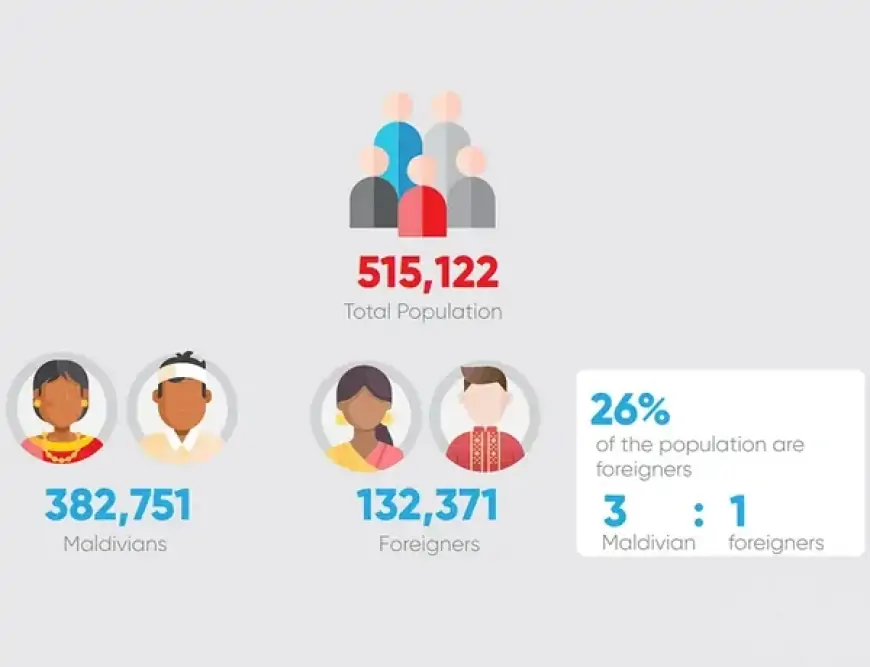
The Republic of Maldives, known for its stunning archipelago and burgeoning tourism industry, presents a unique case study in Labour market regulation due to the significant presence of both local and expatriate workforces.
The complex interplay between these dual workforces is governed by a bifurcated legal framework that sets distinct rules and obligations for local and foreign workers. This study seeks to explore the intricacies of these legal frameworks, highlighting the implications, challenges, and potential solutions in harmonizing the regulations, while examining their broader economic and social impacts.
Legal Frameworks Governing the Dual Workforce
The legal landscape in the Maldives is characterized by the coexistence of separate regulations for local and expatriate workers. Local employees are primarily governed by the Employment Act 2008, which outlines terms and conditions related to employment contracts, work hours, leaves, and termination. Conversely, expatriate Labour is regulated under the Expatriates Employment Regulations 2009, with additional stipulations for work permits, visa requirements, and sector-specific rules.
Implications of Dual Legal Systems
The existence of dual legal systems creates a range of implications for both the workforce and employers in the Maldives. For expatriate workers, the process of obtaining work permits and navigating visa regulations can be cumbersome and restrictive. These legal requirements can lead to increased administrative burdens for employers, as well as potential legal conflicts and compliance issues. For local workers, the protections and benefits established under local laws may not always be aligned with those accorded to expatriates, causing potential tensions and perceptions of inequity in the workplace.
Challenges in Managing Dual Employment Regulations
The management of dual employment regulations in the Maldives poses significant challenges. One of the primary challenges is ensuring compliance with both sets of legal requirements, which may at times be conflicting or place undue burdens on employers. Additionally, the enforcement mechanisms for expatriate workforce regulations may vary, leading to inconsistent application and potential exploitation of foreign workers. The interplay between different regulatory bodies and the potential for overlapping jurisdictional authority further complicates the regulatory landscape.
Comparative Analysis of Case Studies
A comparative analysis of case studies reveals the multifaceted nature of dual workforce regulation. Examining instances where regulatory disparities have led to legal disputes, the analysis identifies patterns and common themes in the challenges faced by both local and expatriate workers. The case studies underscore the importance of balanced regulatory practices that protect the rights of all workers while fostering a stable and inclusive Labour market.
Economic and Social Impacts
The duality of Labour market regulations has broader economic and social impacts on the Maldives. The reliance on expatriate Labour, particularly in the tourism and construction industries, underscores the need for regulatory frameworks that support both Labour market stability and economic growth. Socially, the disparities between local and foreign worker regulations can lead to community tensions and a sense of inequity, which policymakers must address to ensure social cohesion and inclusivity.
Potential Solutions and Policy Recommendations
Addressing the challenges associated with dual workforce regulation requires a multifaceted approach. Potential solutions include harmonizing key aspects of local and expatriate Labour laws to reduce administrative burdens and ensure equitable treatment of all workers. Additionally, strengthening enforcement mechanisms and regulatory oversight can help mitigate the risks of exploitation and ensure compliance. Policymakers should also consider the development of comprehensive Labour policies that integrate the needs of both local and expatriate workers, fostering a more inclusive and balanced Labour market.
The study of dual workforce regulation in the Maldives reveals a complex legal and regulatory environment with significant implications for Labour markets, economic stability, and social cohesion. By exploring the challenges and potential solutions associated with managing dual employment regulations, this study provides valuable insights for policymakers, legal practitioners, and stakeholders. Ultimately, achieving a harmonized and equitable regulatory framework is crucial for fostering a stable, inclusive, and prosperous Labour market in the Maldives.